Franchisor vs. Franchisee: Who Pays for What? Money, Fees, and Marketing Costs Explained
Summary
Best for: People considering their first franchise or preparing to open a branch. Fastest win: Find the marketing, supplier, and technology costs in the franchise disclosure document before you sign. Simple rule: Don’t assume a fee covers every related cost. Check what it pays for, who controls it, and what your branch may owe separately.
Starting a franchise means joining a business system that already has a name, rules, and ways of doing things. In return, you usually pay fees and follow the system’s requirements. But those costs can come from different places, and the marketing contribution you pay may not cover the local marketing your branch needs.
This beginner-friendly guide explains common franchise costs and who typically pays them. Every franchise system is different, so use your own disclosure documents and contract to check what applies to you.
The franchise relationship, in plain English
A franchisor is the company that owns a brand and business system. It gives another business the right to use that brand and system under agreed rules. A franchisee is the person or company that pays for that right and runs a local business, often called a branch or location.
The relationship is set out in contracts. Money usually flows through defined channels: the franchisee pays fees and operating costs, while the franchisor provides the brand, training, and other support described in the documents.
Before you sign, you’ll receive a Franchise Disclosure Document (FDD). It is a document that explains important facts about the franchise, including fees, required suppliers, advertising, and the franchisor’s support. In the United States, federal franchise disclosure rules apply. If you are looking outside the U.S., check the rules where you plan to operate.
The FTC’s franchise fundamentals guide explains how to review a Franchise Disclosure Document. Read the FDD and franchise agreement together: one is a disclosure document, and the other is a contract that sets out the parties’ obligations.
What a franchisee typically pays
The exact fees depend on the brand and agreement. Some costs go to the franchisor; others go to landlords, employees, suppliers, and service providers. The table below describes common cost types and where to look for them.
| Fee or commitment | What it means | Typical structure | Where to look in the FDD |
|---|---|---|---|
| Initial franchise fee | A one-time payment to join the system and receive the right to open under the brand. | Usually paid before opening; the amount and refund terms vary. | Item 5: Initial fees |
| Royalty | An ongoing payment for using the brand and system. | Often calculated as a percentage of sales, sometimes with a minimum or another formula. Sales means money the business brings in; it does not mean profit. | Item 6: Other fees |
| Brand or advertising fund contribution | Money paid into a shared pool for marketing across the franchise system. | May be a percentage of sales, a flat amount, or another formula. | Items 6 and 11: Fees and advertising |
| Local marketing spend | Money your own branch spends to reach customers in its area. | May be required in addition to contributions to a shared fund. | Check Items 6 and 11 and the agreement |
| Technology or software fees | Charges for required systems, such as point-of-sale tools, scheduling, or a customer database. | Could be a recurring fee, a setup cost, or both. | Item 6, and sometimes Item 8 |
| Required suppliers or products | Goods or services you must buy from certain suppliers or meet brand standards for. | Your costs depend on the required items and supplier terms. | Item 8: Restrictions on sources |
A key distinction: the brand fund is not necessarily your branch’s personal marketing budget. Contributions are pooled and spent under the system’s rules. The fund may support national or regional marketing, but that does not necessarily mean your specific area receives a campaign, or that it pays for your branch’s local outreach. Check the FDD and agreement to understand how the fund works.
Items 5, 6, 8, and 11 answer different questions: What do you pay up front? What other fees might you owe? What are you required to buy? What advertising and support does the franchisor provide?
What each side typically provides
A franchisor often provides training, brand standards, approved marketing materials, and operating guidance. Some systems also negotiate supplier terms or run national advertising. Your contract and FDD describe what the franchisor is actually required to provide.
A franchisee typically runs the local operation: hiring and managing staff, serving customers, paying local bills, and following the brand’s operating rules. The franchisee may also have to fund local marketing, depending on the system’s requirements.
| The franchisor typically provides | The franchisee typically provides |
|---|---|
| Brand name, operating system, and brand rules | The investment to open and operate the branch |
| Initial training and ongoing guidance, as described in the documents | Local staff, service, and day-to-day management |
| Approved templates or marketing materials, where offered | Local marketing, if required or chosen |
| National or regional campaigns, if promised and funded | Rent, utilities, insurance, taxes, and other local operating costs |
| Supplier guidance or negotiated arrangements in some systems | Payment for required products, services, and suppliers |
Some franchisors require approved suppliers to help keep service and product quality consistent, or to negotiate pricing across the system. That can be practical, but it is worth understanding the total cost. When a required supplier arrangement includes a margin, rebate, or other payment to the franchisor or its affiliates, branch costs may differ from open-market alternatives. FDD Item 8 covers supplier restrictions and certain financial benefits connected to required purchases.
Ask for an explanation, not assumptions. For more on how the economics of a centralized direct mail portal can work, see Enterprise Direct Mail and Brand Portal Solutions.
How the marketing money may work
Franchise marketing often has two parts: a shared fund and local marketing. The shared fund is contributed by franchisees under the system’s rules. Local marketing is what a branch spends to reach customers nearby. One payment does not automatically replace the other.
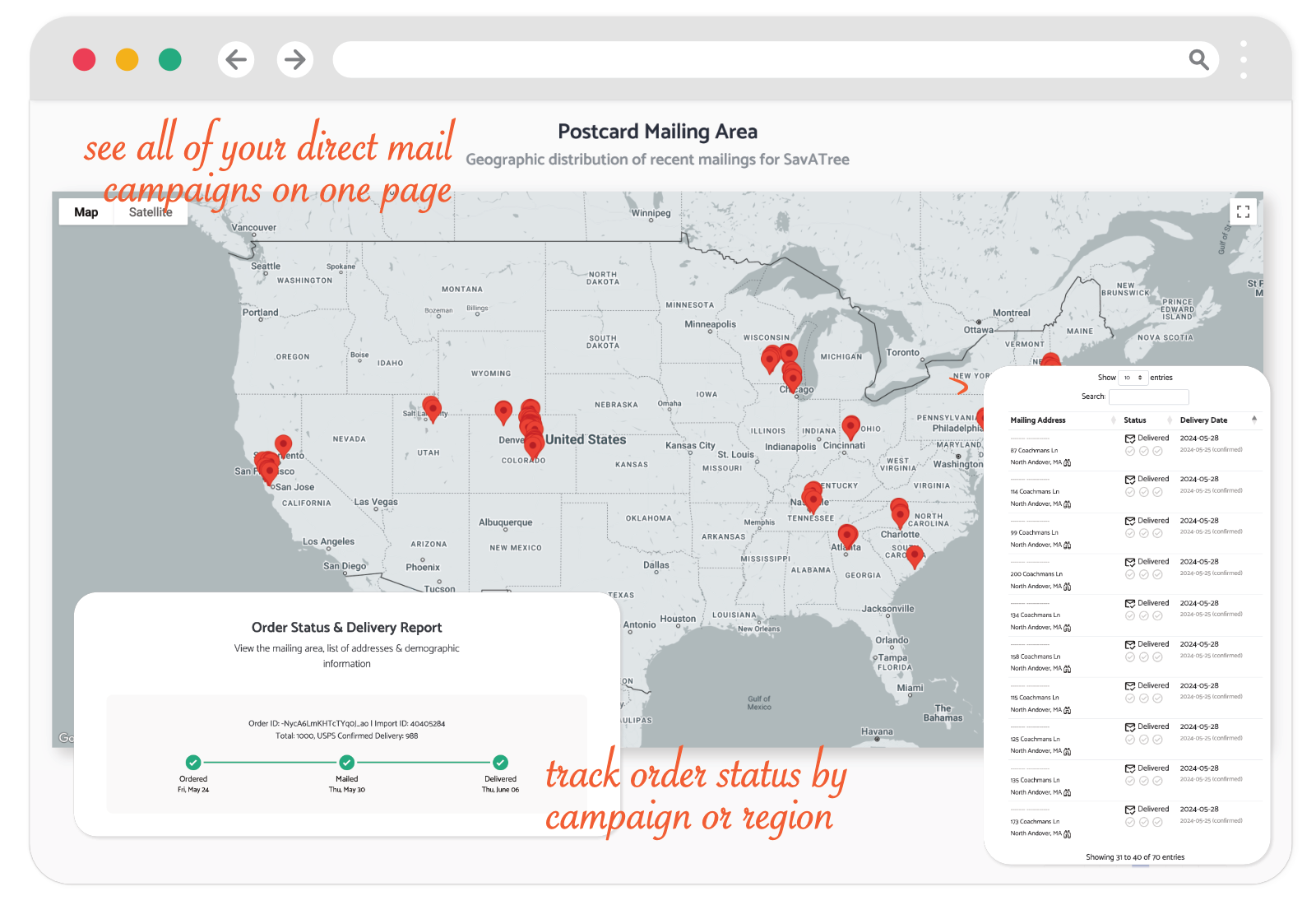
For example, your agreement might require a contribution to a brand fund and a separate local marketing effort. A local campaign could include postcards sent to selected neighborhoods, local events, or other approved advertising. Check the rules before ordering anything: some systems require approval for locally created materials or restrict which providers branches can use.
Before signing, ask:
- How is the shared fund used? Ask what portion typically goes to media, creative work, and administration.
- Does the fund support my area? Ask how local, regional, and national campaigns are planned.
- Can my branch advertise locally in addition? Ask about required minimums, approvals, and restrictions.
- Are there approved marketing suppliers or portals? Ask what services they provide and what the full cost includes.
- What does a typical branch campaign cost? Ask for real examples, including design, printing, mailing, and any platform or service charges.
For a practical framework for setting a branch marketing budget, read How Much Should a Franchise Branch Spend on Marketing?. If your system requires you to order through a brand portal, ask how the portal’s economics work and whether its all-in cost is competitive. This companion guide explains what to look for: Enterprise Direct Mail and Brand Portal Solutions.
Before you sign: a practical checklist
Use the disclosure and agreement to build a complete picture of your obligations, not just the headline franchise fee.
- Read FDD Items 5, 6, 8, and 11. Note initial fees, ongoing charges, purchasing requirements, and advertising obligations.
- Ask current franchisees what they spend. Ask about local marketing, technology, required suppliers, and whether they see campaigns in their area.
- Get professional review. Have a franchise attorney and an accountant review the documents and help you understand the contract and financial commitments.
- Compare total obligations across brands. Look beyond the initial fee. Add up royalties, fund contributions, local marketing, technology, required purchases, and ordinary branch costs.
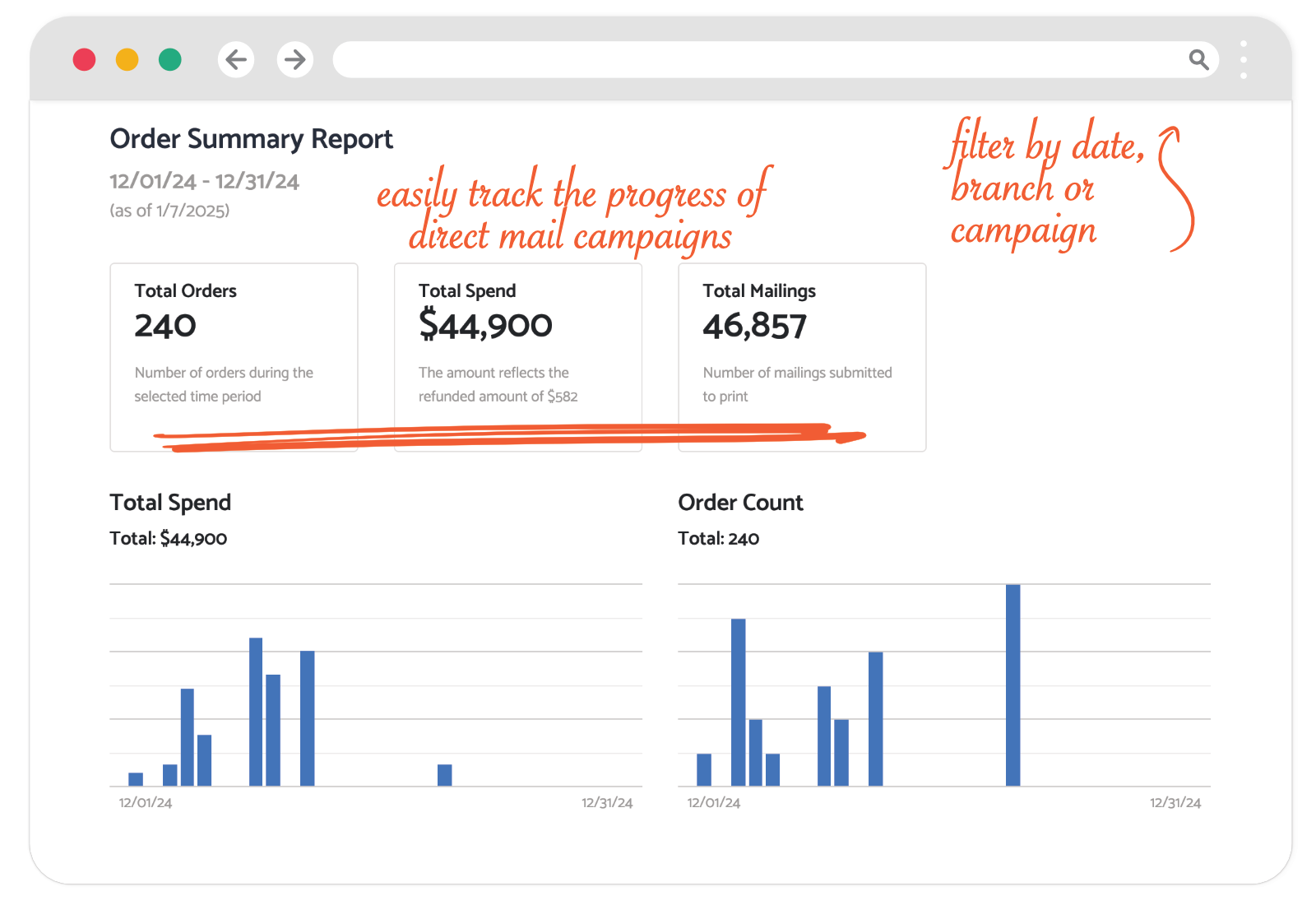
- Start tracking from day one. In your first 90 days, record each campaign, its audience, cost, response, and resulting sales or leads. This gives you a basic way to compare future efforts and discuss results with the franchisor.
The FTC generally requires a franchisor to provide the FDD at least 14 calendar days before you sign a binding agreement or pay the franchisor or an affiliate. Rules and circumstances can vary, so confirm the timing and requirements with your attorney. The FDD helps you review the offer; it does not guarantee a particular business outcome.
This article provides general information, not legal or accounting advice. Review your own FDD and franchise agreement, and consult qualified franchise counsel and an accountant before signing. International readers should check the franchise disclosure rules that apply in their country.
Common questions from new franchisees
- Does the advertising fund cover my branch’s local marketing? Not necessarily. Fund rules vary, and contributions may support broader campaigns. Check Items 6 and 11 and ask how the fund is used.
- Is a royalty based on profit? Often it is based on sales, not profit, but the calculation depends on the agreement. Check how the contract defines the amount due.
- Where can I check required suppliers? Start with FDD Item 8. Ask what you must buy, from whom, and whether the franchisor or an affiliate may receive a financial benefit.
Final Recommendation
Ready to win more customers with less pressure?
Before choosing a franchise, make a simple list of every expected payment: the initial fee, recurring fees, required purchases, shared marketing contributions, and local marketing. Then compare that list with the support the documents say you will receive.
If you’re planning local direct mail, Explore Neighborhood Postcards. For a closer look at branch ordering and brand portals, read Enterprise Direct Mail and Brand Portal Solutions.
Tell us your industry and the neighborhoods you want to reach, and we can suggest a starting point.


